Top 10 HypeAuditor Alternatives for Influencer Marketing in 2025

 Published on 25 May, 2025

 6 Min Read

 Heepsy Team

HypeAuditor alternatives comparison

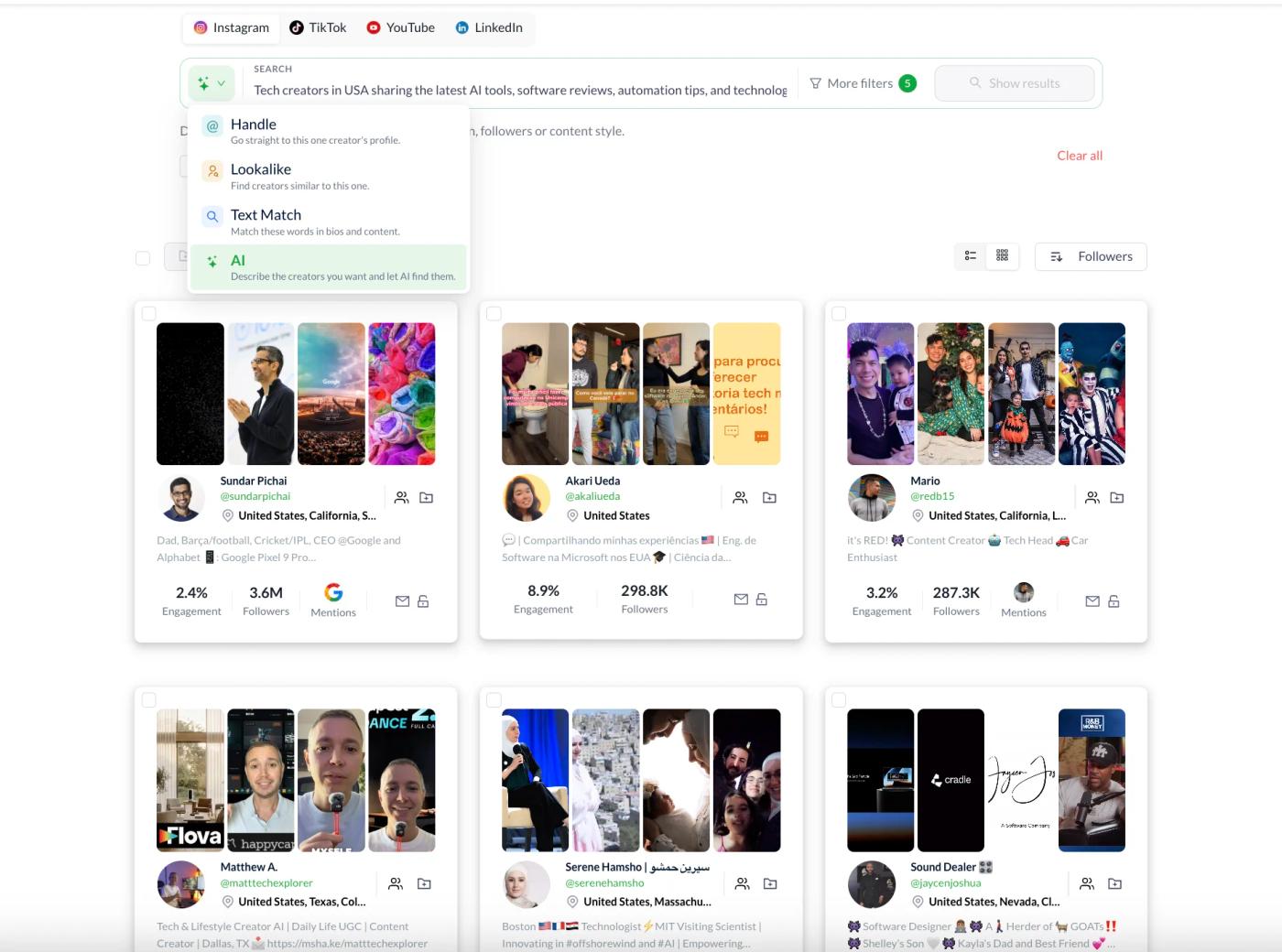
HypeAuditor specializes in influencer authenticity scoring. Heepsy offers a competitor-friendly platform with similar fake-follower detection plus easier creator discovery.

Both platforms detect fake followers using audience quality metrics, suspicious growth signals, and engagement authenticity data. This allows brands to evaluate whether an influencer's audience is real, active, and relevant before starting a campaign.

Heepsy is easier to use for SMBs because it offers a simpler interface, faster search workflows, and clear data presentation without requiring extensive onboarding. It is designed to help smaller teams find and evaluate creators quickly without complex enterprise-level processes.

Heepsy also provides more intuitive filters for niche discovery, allowing users to segment creators by audience demographics, interests, engagement rate, and content type. These filters make it easier for brands to identify influencers who precisely match their target buyer persona.

Choosing an influencer marketing platform often comes down to accuracy of influencer data, usability, and available features. Cost, supported platforms, and reporting options are also critical when comparing services.

If you're searching for a HypeAuditor alternative, you're likely comparing features, pricing, and usability to find the most practical influencer marketing platform for your needs.

HypeAuditor

HypeAuditor platform overview

Best for: Data-driven influencer marketers and enterprise-level brands seeking in-depth analytics and fraud detection.

Overview: HypeAuditor is a powerful influencer marketing and analytics platform that specializes in transparency and performance measurement. It offers one of the most comprehensive datasets in the industry, helping marketers vet influencers with precision and optimize campaign performance based on accurate, AI-driven insights.

HypeAuditor supports influencer discovery across Instagram, YouTube, TikTok, and Twitch, and is known for its strong focus on audience authenticity, fake follower detection, and performance forecasting. This makes it particularly valuable for larger organizations that prioritize data integrity and campaign ROI.

Key Features:

  • Influencer Discovery & Vetting: Search through millions of influencer profiles using filters like niche, location, engagement rate, audience quality, and more.
  • Audience Analysis: Access detailed reports on influencer audience demographics, interests, and authenticity metrics.
  • Fraud Detection: Built-in tools identify fake followers, comment pods, and other manipulative engagement tactics.
  • Campaign Management & Reporting: Run influencer campaigns, track performance, and generate in-depth reports from a centralized dashboard.
  • Market & Competitor Insights: Use benchmarking tools to analyze industry trends and competitive influencer strategies.

HypeAuditor Pros and Cons

ProsCons
Extremely detailed influencer and audience analyticsHigher learning curve due to advanced feature set
Trusted by enterprise brands for fraud detection and transparencyPricing is on the higher end, may not suit smaller teams or budgets
Excellent reporting capabilities for ROI trackingSome features are locked behind premium tiers
Supports influencer marketing across multiple platforms

Pricing

HypeAuditor offers custom pricing based on feature access and usage requirements. Plans are typically suited for mid-to-large businesses and can include influencer search, analytics, campaign management, and competitive benchmarking.

HypeAuditor Alternatives

HypeAuditor is widely recognized for excellent audience analytics and fraud detection in influencer marketing. Its tools emphasize finding fake followers, analyzing audience demographics, and verifying influencer authenticity, which is essential for data-driven campaigns.

The platform integrates with prominent networks such as Instagram, TikTok, and YouTube. With in-depth analytical dashboards and a large influencer database, HypeAuditor suits agencies and brands that prioritize detailed reporting and automation features for influencer vetting tasks.

However, you might find the learning curve moderately steep, and costs can rise with advanced features or multiple users. HypeAuditor's emphasis on analytics sometimes makes it less flexible for hands-on influencer outreach or campaign management.

Let's analyze the top 10 competitors to HypeAuditor and look at the pricing models, top features and more.

PlatformPricingNetworks CoveredNotable FeaturesSuitable Industries
HeepsyStarts at $69/monthInstagram, YouTube, TikTokAdvanced search filters, monitoring, campaign managementSmall businesses, startups, marketing agencies, fashion, businesses of all sizes and industries
Upfluence$2000 onwardsInstagram, YouTube, TikTok, TwitchStrong AnalyticsE-commerce, fashion, beauty
ModashStarts at $199/monthInstagram, YouTube, TikTokSmart influencer discovery toolsbusinesses of all sizes and industries
TraackrStarts at $25,000/yearInstagram, YouTube, Facebook, PinterestInfluencer authenticity toolsEnterprise-level businesses, especially beauty brands
HypeAuditorStarts at $299/monthInstagram, YouTube, TikTok, Twitch, TwitterFraud detectionBusinesses of all sizes and industries
CollabstrStarts at $299/monthInstagram, TikTok, YouTubeAdvanced search filtersbusinesses of all sizes and industries
InfluencityStarts at $318/monthInstagram, YouTube, TikTokRobust campaign management tools, detailed analyticsMarketing and advertising, public relations, apparel and fashion
Aspire$2000 onwardsInstagram, YouTube, TikTokCampaign analytics, trackingHigh-growth enterprise companies
Creator IQ$2000 onwardsInstagram, YouTube, TikTokDeep analytics and smart influencer partnershipsHigh-growth enterprise companies
Klear$2000 onwardsInstagram, YouTube, TikTokAudience demographics, performance metricsHigh-growth enterprise companies
GRIN$2000 onwardsInstagram, YouTube, TikTokInfluencer recruitment, content management, eCommerce integrations (Shopify, WooCommerce)DTC brands, especially in eCommerce, wanting full influencer lifecycle management

1. Heepsy

Heepsy influencer marketing platform overview

Best for: Small to Medium-sized brands and agencies seeking a cost-effective, feature-rich influencer discovery platform.

Overview: Heepsy is a robust influencer marketing platform that stands out with its intuitive interface, competitive pricing, and powerful search capabilities. Unlike HypeAuditor, which often targets larger enterprises with higher-tier pricing, Heepsy offers a more accessible and flexible solution—especially ideal for growing brands and marketing agencies looking to scale their influencer efforts efficiently.

Heepsy Pros and Cons

ProsCons
Affordable Pricing: Plans starting at $69/month.Limited Features: Lacks advanced campaign management tools.
User-Friendly Interface: Easy to navigate and use.
Superior Advanced Filtering: Granular search filters to filter influencers by follower count, engagement rate, location, niche, audience language, brand mentions, authenticity metrics, and even influencer posting frequency.
Campaign-Ready Lists: Heepsy allows users to create and manage influencer lists with real-time data, enabling streamlined outreach and tracking.

Heepsy vs HypeAuditor

Heepsy stands out as a user-friendly, budget-friendly alternative to HypeAuditor. With transparent pricing, an intuitive interface, fast influencer discovery, and built-in outreach tools like CRM and bulk messaging. It offers essential features without complexity, making campaign management efficient and accessible—even for those new to influencer marketing. Plus, a free trial ensures you test before you commit. HypeAuditor, on the other hand is for brands needing in-depth analytics and data-driven campaigns requiring advanced filters.

2. Modash

Modash influencer marketing platform overview

Best for: Brands and agencies focused on influencer discovery and vetting with global reach.

Overview: Modash is a powerful influencer marketing platform known for its exceptional influencer discovery and vetting capabilities. It supports brands in finding influencers across Instagram, TikTok, and YouTube, with data from over 200 million creators. Modash doesn't rely on a closed marketplace, which means you can search any public profile—giving you more flexibility and reach.

Modash Pros and Cons

ProsCons
Extensive Influencer Database: Search through over 200 million influencers without relying on a closed network.Limited Campaign Management Tools: Modash focuses more on discovery and tracking, offering fewer tools for campaign execution.
Advanced Filtering & Vetting: Narrow down influencers by audience demographics, engagement rates, location, and fake follower analysis.No In-Platform Communication: Outreach and messaging need to be handled externally.
Real-Time Monitoring: Tracks influencer content and performance across platforms.Reporting Limitations: While Modash tracks content and performance, report customization may be limited compared to some alternatives.
No Marketplace Restrictions: Discover and vet any public profile, even if they're not signed up on Modash.

Modash vs HypeAuditor

Both Modash and HypeAuditor offer large influencer databases and advanced vetting tools. However, Modash has the edge in terms of flexibility, allowing searches of any public influencer profile, not just those in its network. HypeAuditor, on the other hand, provides stronger campaign management and fraud detection features, making it more comprehensive for teams managing campaigns end-to-end.

3. Aspire

Aspire influencer marketing platform overview

Best for: Large-budget brands focusing on paid and affiliate influencer marketing, primarily in the US.

Overview: Aspire offers a comprehensive platform with a creator marketplace of over 1 million influencers. It provides end-to-end campaign management and even "done-for-you" services for brands seeking additional support.

Aspire Pros and Cons

ProsCons
Extensive Creator Marketplace: Access to a vast network of influencers across major platforms.High Pricing: Starting at $2,000/month onwards, it may be out of reach for smaller brands.
Comprehensive Campaign Management: Streamlines communication, workflow, content approval, and payments.Contractual Commitment: Requires a long-term contract with no trial period.
Agency Services: Offers additional support for brands needing expertise in campaign execution.Content Tracking Limitations: Some users report challenges in tracking content from affiliates and product seeding campaigns.

Aspire vs HypeAuditor

Aspire provides a more holistic approach to influencer marketing, including campaign execution and management. While HypeAuditor focuses on discovery and analytics, Aspire's additional services and tools make it suitable for brands looking for comprehensive solutions.

4. Influencity

Influencity influencer marketing platform overview

Best for: Brands seeking global influencer discovery and vetting capabilities.

Overview: Influencity boasts a database of 170 million influencers, offering robust search and filtering options. It's particularly beneficial for brands aiming to expand their reach globally.

Influencity Pros and Cons

ProsCons
Extensive Influencer Database: Access to a vast network across Instagram, TikTok, and YouTube.Limited Tracking Functions: Requires manual input of content URLs for data population.
Affordable Pricing: Offers competitive pricing with a 7-day free trial.Basic Plan Limitations: Entry-level plans restrict features like report downloads and dedicated support.
Strong Discovery Tools: Advanced filtering options for precise influencer selection.No Campaign Scheduling: Lacks in-platform campaign scheduling capabilities.

Influencity vs HypeAuditor

While both platforms offer extensive influencer databases, Influencity provides more affordable options for global discovery. However, HypeAuditor's integrated campaign scheduling and tracking might be more suitable for brands seeking a more automated approach.

5. CreatorIQ

CreatorIQ influencer marketing platform overview

Best for: Large enterprises requiring a full-featured influencer marketing platform.

Overview: CreatorIQ offers AI-driven influencer marketing features, focusing on discovery, campaign management, and analytics. Its robust integrations and private influencer marketplace cater to enterprise-level needs.

CreatorIQ Pros and Cons

ProsCons
Strong Integrations: Supports multiple social media platforms and e-commerce tools.High Pricing: Starting at $2000/mo onwards, it may not be feasible for smaller brands.
Private Influencer Marketplace: Allows brands to build and manage their influencer networks.No Free Trial: Requires a long-term commitment without a trial period.
Comprehensive Analytics: Provides detailed insights into campaign performance.Smaller Influencer Database: Compared to HypeAuditor, it has a smaller pool of influencers.

CreatorIQ vs HypeAuditor

CreatorIQ offers a more integrated and customizable platform, suitable for large enterprises. HypeAuditor, while offering a broader influencer database, may lack the depth of integrations and private network capabilities that CreatorIQ provides.

6. Traackr

Traackr influencer marketing platform overview

Best for: Enterprise brands, especially in the beauty industry, focusing on authentic influencer relationships.

Overview: Traackr emphasizes building genuine influencer relationships at scale. With a global database and strong tracking capabilities, it's tailored for brands prioritizing authenticity.

Traackr Pros and Cons

ProsCons
Authenticity Focus: Tools designed to foster genuine influencer partnerships.High Pricing: Starts at $25,000/year, which may be prohibitive for some brands.
Comprehensive Tracking: Captures various content types, including Stories.Steep Learning Curve: Users report challenges in navigating the platform.
E-commerce Support: Integrates with platforms like Shopify.Smaller Influencer Database: Limited compared to HypeAuditor's extensive network.

Traackr vs HypeAuditor

Traackr offers deeper relationship management tools, making it ideal for brands focusing on long-term influencer partnerships. HypeAuditor's strength lies in its vast database and analytical tools, suitable for brands emphasizing discovery and vetting.

7. Upfluence

Upfluence influencer marketing platform overview

Best for: Brands focusing on affiliate marketing and requiring strong e-commerce integrations.

Overview: Upfluence combines influencer discovery with affiliate marketing capabilities. Its integrations with platforms like Shopify and WooCommerce make it a go-to for e-commerce brands.

Upfluence Pros and Cons

ProsCons
Affiliate Marketing Features: Robust tools for managing affiliate campaigns.Limited Influencer Database: Smaller compared to competitors like HypeAuditor.
E-commerce Integrations: Seamless connections with major e-commerce platforms.Complex Interface: Some users find the platform challenging to navigate.
Agency Services: Offers additional support for campaign execution.High Pricing: May not be suitable for smaller brands or startups.

Upfluence vs HypeAuditor

Upfluence offers specialized tools for affiliate marketing and e-commerce integration, areas where HypeAuditor may lack depth. However, HypeAuditor's broader influencer database provides more options for discovery.

8. GRIN

GRIN influencer marketing platform overview

Best for: Large-budget DTC brands seeking an all-in-one influencer marketing solution.

Overview: GRIN offers a comprehensive platform covering all aspects of influencer marketing, from discovery to payment. Its seamless Shopify integration and robust CRM features cater to DTC brands.

GRIN Pros and Cons

ProsCons
End-to-End Solution: Manages the entire influencer marketing process.High Pricing: May be out of reach for smaller brands.
Strong E-commerce Integration: Particularly with Shopify.Long-Term Contracts: Requires commitment without a trial period.
CRM Features: Helps in managing influencer relationships effectively.Discovery Limitations: Some users report challenges with its discovery features.

GRIN vs HypeAuditor

GRIN provides a more holistic approach, managing the entire influencer lifecycle. HypeAuditor, while strong in discovery and analytics, may not offer the same depth in campaign execution and relationship management.

9. Klear

Klear influencer marketing platform overview

Best for: Enterprises and PR agencies focusing on ROI and audience demographics.

Overview: Klear offers advanced influencer tracking, helping teams measure ROI, audience demographics, and campaign reach. Its tools are tailored for data-driven decision-making.

Klear Pros and Cons

ProsCons
Strong Vetting Tools: Assists in evaluating influencer authenticity and performance.Limited Platform Support: Doesn't cover newer platforms extensively.
Built-in CRM: Manages influencer relationships effectively.High Learning Curve: May require time to master its features.
Social Listening Integration: Provides insights into brand mentions and sentiment.

Klear vs HypeAuditor

Klear offers more advanced tools for ROI measurement and audience analysis. HypeAuditor, while providing basic analytics, may not match Klear's depth in these areas.

10. Collabstr

Collabstr influencer marketing platform overview

Collabstr is a streamlined influencer marketing platform that simplifies the process of finding and hiring creators. Unlike traditional databases that require long search and vetting processes, Collabstr operates more like a curated marketplace—allowing brands to browse pre-vetted influencers and directly book them for campaigns.

It's ideal for small to medium-sized brands that want quick access to creators without spending extensive time on outreach or negotiations. Brands can post campaign briefs, receive applications, and manage payments—all within the platform. Collabstr also features creator ratings, completed project history, and audience data for better decision-making.

With free and affordable paid plans (starting at $299/month), Collabstr is a great entry point for brands looking to scale their influencer efforts without the steep costs or complexity of enterprise-level tools.

Key Features

  • Creator marketplace with transparent pricing
  • Campaign briefs and direct bookings
  • Audience insights and creator reviews
  • Messaging and payment management

Best For

Small to mid-size brands looking for a fast, low-friction way to connect with influencers and run campaigns efficiently.

How to Choose the Right HypeAuditor Alternative

Selecting the right HypeAuditor alternative starts with identifying your brand or agency's unique influencer marketing goals. Whether it's deeper influencer discovery, campaign management, or budget flexibility, the ideal platform should align with your marketing workflows and growth objectives.

For small to medium businesses, Heepsy and Modash provide excellent value with user-friendly interfaces and competitive pricing. Enterprise brands may find CreatorIQ, Traackr, or GRIN more suitable for their comprehensive needs.

Consider factors like pricing, supported platforms, campaign management features, and customer support when making your decision. Many platforms offer free trials or demos to help you evaluate their fit for your business.

Best Influencer Marketing Platforms in 2025 for Brands

When evaluating influencer marketing platforms in 2025, brands should consider factors like data accuracy, campaign tracking, platform integrations, and influencer vetting tools.

For medium to large brands, Heepsy stands out as a top choice. It offers powerful search filters (like audience location, niche, engagement rate, and fake follower detection), real-time insights, and audience authenticity checks. Heepsy is often preferred over HypeAuditor due to its balance of affordability and advanced features. Its tiered pricing structure makes it accessible for brands of various sizes.

Platforms like Modash are also gaining traction, especially for brands that need large-scale influencer discovery across Instagram, TikTok, and YouTube. Modash is built for scale, offering extensive influencer databases, deep audience analysis, and easy CRM integration, all at competitive pricing.

Upfluence is another strong choice, especially for eCommerce brands, due to its seamless integrations with platforms like Shopify and WooCommerce. It supports full-funnel influencer management, from discovery to ROI tracking.

For quick campaign execution and budget-conscious brands, Collabstr offers a creator marketplace where brands can browse, contact, and book influencers without long outreach cycles or complex onboarding.

Best Influencer Marketing Platforms in 2025 for Agencies and Startups

Agencies and startups should focus on platforms that offer automation, integrations, and scalable pricing. Modash is ideal for marketing agencies—it supports large databases, real-time campaign tracking, and integrations with popular tools, making influencer management efficient and scalable.

Heepsy is also agency-friendly, with search filters that can handle niche targeting, location-specific outreach, and competitive campaign benchmarking—all with a clean interface and manageable learning curve.

Influencity is another strong alternative, offering detailed performance reports, customizable campaign dashboards, and collaborative tools ideal for agency teams.

Startups that want simple yet insightful tools may prefer Collabstr or Klear, which both focus on transparency, affordability, and ease of use, making influencer marketing more accessible without sacrificing performance.

Traackr and CreatorIQ, though more enterprise-focused, are excellent for agencies managing large-scale, global campaigns. These platforms offer advanced analytics and robust integrations, albeit at a higher cost.

HypeAuditor Alternative FAQs

While HypeAuditor is well-known for its AI-driven analytics and fraud detection, alternatives like Heepsy and Modash offer broader discovery tools, greater pricing flexibility, and better integration options, depending on your brand's size and goals.

Platforms like Heepsy, Modash, and Influencity offer powerful search filters, including audience demographics, engagement rates, follower quality, and platform-specific performance metrics.

Yes. Tools like Heepsy, Modash, Collabstr, and Influencity offer tiered pricing models starting from $69/month, making them accessible to small businesses and startups, while still supporting the needs of larger organizations.

Many alternatives, including HypeAuditor, Heepsy, and Modash, offer real-time analytics and fake follower detection. These features are critical for identifying genuine influencers and optimizing campaign ROI.

Top tools for influencer discovery include Modash for large-scale global searches, Heepsy for precision filtering, and Upfluence for eCommerce-focused brands. Each offers a comprehensive influencer database with deep audience insights.

Absolutely. Platforms like Modash, Influencity, CreatorIQ, and Traackr are designed for agency workflows. They support bulk campaign management, team collaboration, and automated reporting, making them perfect for agencies handling multiple clients.

Heepsy provides detailed audience authenticity analysis, including engagement quality, follower credibility signals, and detection of abnormal growth patterns. These tools often provide a more accessible and easy-to-interpret view of audience authenticity compared to platforms built primarily for enterprise analytics.

Heepsy is generally more affordable for small and medium-sized businesses, offering transparent pricing and flexible plans without enterprise-level commitments. This makes it a cost-effective alternative to more complex influencer platforms with higher annual contracts.